
Top D2C Startups in India 2026: Indian Brands Built for a Billion Consumers
From ₹999 earbuds to toxin-free baby shampoo — India's D2C era is creating brands that will outlast the startups that built them.
Updated
23 March 2026
Brands Ranked
7 Featured · 800+ Tracked
Category
D2C · Consumer Brands
Coverage
Beauty · Electronics · Home · Commerce
India's D2C revolution is not a trend. It is a structural shift driven by three forces arriving simultaneously: 600M+ smartphone users, Jio-era cheap data, and a generation of consumers who trust Instagram over television.
The brands on this page were not built in a legacy factory with a 50-year distribution network. They were built in the age of paid social, warehouse management APIs, and direct customer relationships. And they are beating the old guard on their own turf.
$60B+
India D2C Market by 2027
800+
Funded D2C Brands in India
190M+
Online Shoppers by 2025
5x
D2C Growth vs Offline FMCG (2020–24)
Own Your Data
D2C brands control first-party customer data — purchase history, preferences, feedback — that marketplace sellers never access. Data compounds.
Control the Narrative
No algorithm decides your shelf placement. D2C brands own their story, their aesthetic, and their customer relationship end-to-end.
Iterate at Speed
Without retail buyers and long lead times, D2C brands can test, launch, and iterate products in 90-day cycles instead of 18-month cycles.
Build LTV, Not Just GMV
The best D2C brands obsess over repeat purchase rate — the metric that turns a customer acquisition cost into a long-term profit centre.
Mamaearth
Personal Care · Beauty · FMCG
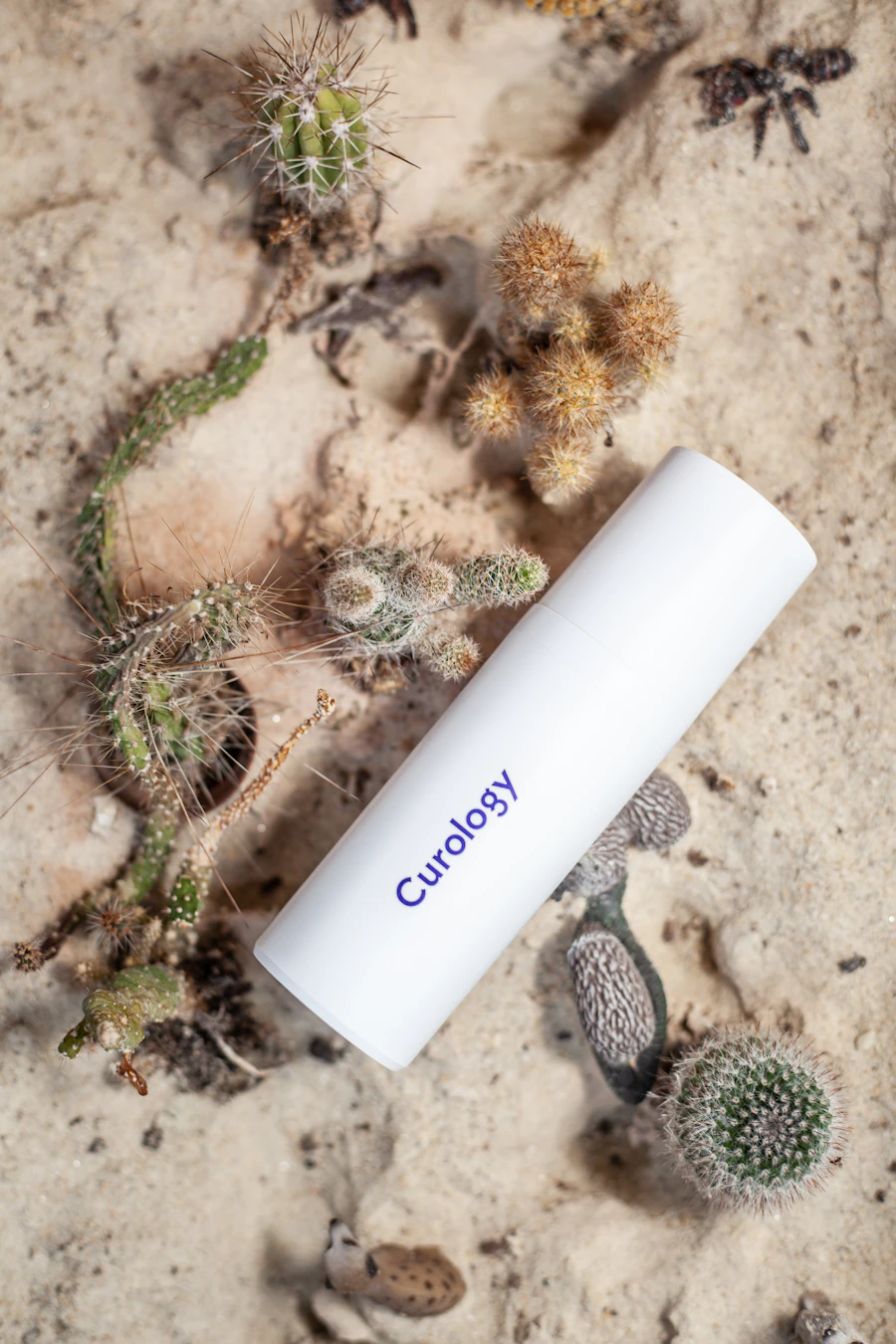
Mamaearth is India's first profitable D2C unicorn to go public — building a portfolio of toxin-free personal care brands (Mamaearth, The Derma Co., Aqualogica, Bblunt) sold through both digital and 1.5L+ offline touchpoints.
Varun and Ghazal started by solving their own problem as new parents — finding a safe baby shampoo. That authenticity became a brand moat. In a market dominated by HUL and P&G for decades, Mamaearth captured the trust of 12M+ households.
The best D2C brands start with a genuine consumer problem, not a marketing brief.
Revenue FY24
₹1,923Cr
Stage
BSE/NSE Listed
boAt
Consumer Electronics · Audio
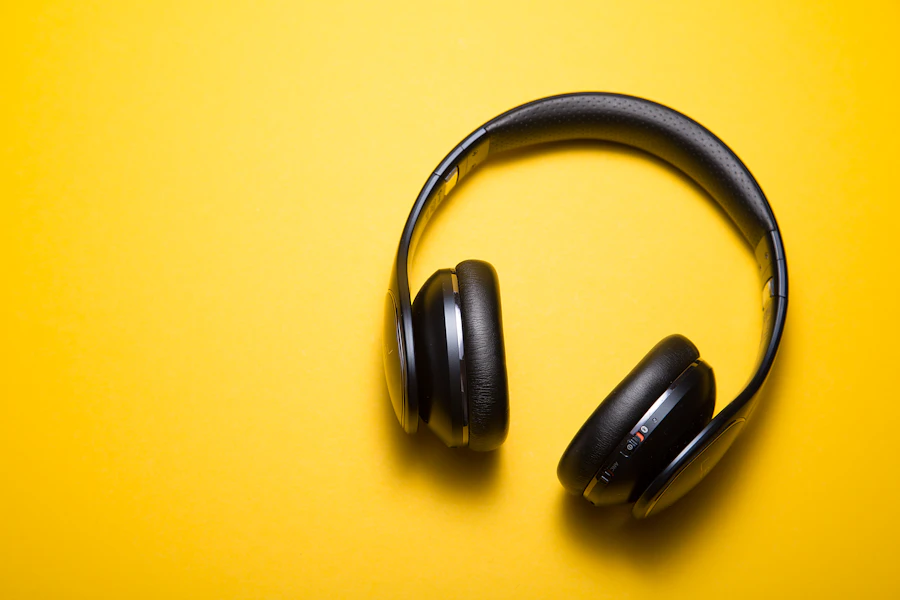
boAt is India's #1 audio and wearables brand — selling headphones, earbuds, smartwatches, and speakers to 80M+ customers through aggressive D2C channels, backed by celebrity co-marketing and India-first product design.
Aman Gupta entered a market owned by Sony and Skullcandy with a simple thesis: young Indians want premium-looking audio gear at a price they can actually afford. At ₹999–₹2,999, boAt cracked the most valuable consumer segment in India — and then defended it ruthlessly.
Aspirational design at accessible prices is the most durable D2C moat in India.
Annual Revenue
₹3,402Cr
Stage
Pre-IPO · $1.6B Val
Lenskart
Eyewear · Phygital Retail
Lenskart is India's largest eyewear brand — combining online convenience with 2,000+ physical stores, an owned prescription lens manufacturing facility, and an AI-powered virtual try-on that has been adopted by Warby Parker and others globally.
Peyush Bansal saw an industry with poor penetration, zero brand loyalty, and broken retail. He built Lenskart as a phygital business before that term existed — owning manufacturing, retail, and the customer relationship. No competitor could copy all three at once.
Vertical integration in D2C creates the kind of margin structure that pure-play online brands can never achieve.
Annual Revenue
₹3,788Cr
Stage
Unicorn · $4.5B Val

Sugar Cosmetics
Beauty · Cosmetics · D2C
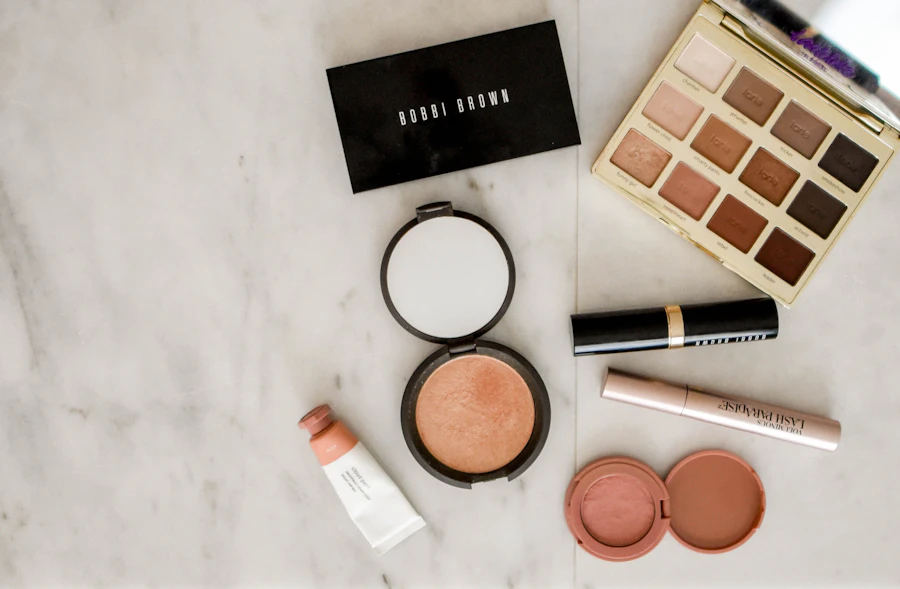
Sugar Cosmetics is India's boldest homegrown cosmetics brand — built for the Indian skin tone, Indian climate, and Indian woman who refused to settle for products designed for Western consumers.
Vineeta Singh turned down a ₹1Cr salary offer to build Sugar. She understood something most founders miss: Indian women wanted products that actually worked on morena skin in 35°C humidity. International brands failed them. Sugar didn't.
Building for an underserved consumer — not a broad market — creates the sharpest product-market fit.
Annual Revenue
₹500Cr+
Stage
Series D · $500M Val
Wakefit
Sleep & Home Furniture · D2C
Wakefit is India's leading sleep and home solutions brand — selling mattresses, pillows, bed frames, and study furniture directly to consumers with a 100-night free trial that eliminated the biggest friction in high-ticket online furniture buying.
The mattress industry in India was dominated by offline retailers with 40%+ margins. Wakefit cut out every middleman and passed the savings to consumers while offering better quality. The 100-night trial was the trust mechanism that made large-ticket D2C actually work.
In high-ticket D2C, the return policy IS the product. Remove the risk and the conversion follows.
Annual Revenue
₹900Cr+
Stage
Series B · $350M Val

Noise
Wearables · Consumer Tech
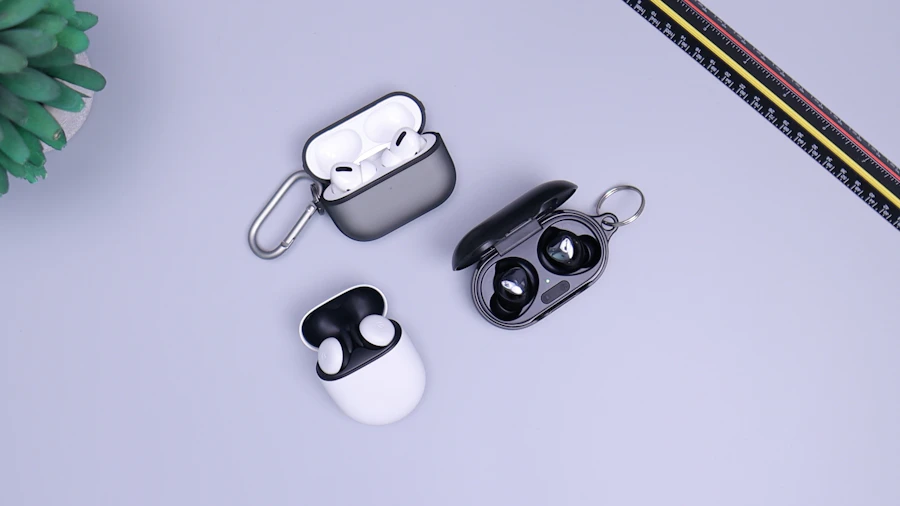
Noise is India's #2 wearables brand — selling smartwatches, earbuds, and fitness trackers to 30M+ customers through a relentless innovation cycle that brings 4–6 new products to market every month.
The Khatri brothers started by reselling phone cases in college. They pivoted into wearables when they noticed a gap: Indians wanted fitness tracking but all options were either too expensive (Apple) or too cheap to trust (no-name). Noise owns the ₹2,000–₹5,000 sweet spot.
Speed of product iteration — not depth of any single product — is the defensible moat in consumer electronics.
Annual Revenue
₹1,500Cr+
Stage
Series A · Bootstrapped Origins
Zepto
Quick Commerce · Grocery D2C
Zepto reinvented grocery retail in India — delivering 10,000+ SKUs in under 10 minutes through a network of dark stores, running on a unit economics model that has beaten both Blinkit and Swiggy Instamart in key markets.
Aadit and Kaivalya were 19-year-old Stanford dropouts when they bet that Indian consumers would pay a small premium for instant delivery. They were right. More importantly, they built the supply chain ops and dark store network fast enough that by the time everyone believed them, Zepto was already unreachable.
In quick commerce, logistics density is the product. Build the network first — the brand follows.
GMV Run Rate
$1.4B+
Stage
Unicorn · $5B Val